2026
122years
The age barrier
No verified human has lived beyond 122. This year we began the first serious attempt to move that line — and to give back a decade of healthy life on the way.
Experimental human safety work underway
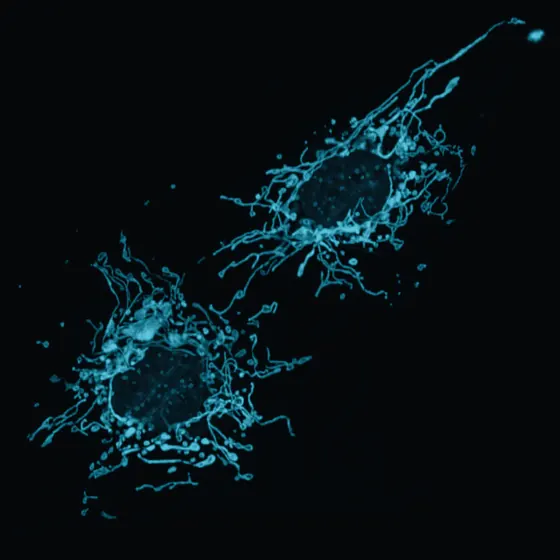
Mitonauts is a volunteer coalition of scientists, physicians, CEOs and investors aged 60 to 91, exploring experimental mitochondrial transplantation and longevity research on ourselves. Not in fifteen years. Now.
01Human firsts
Every barrier that looked permanent was broken by people willing to go before the evidence was in.

1947
Chuck Yeager takes the Bell X-1 past Mach 1.

1953
Hillary and Tenzing reach the summit of Everest.
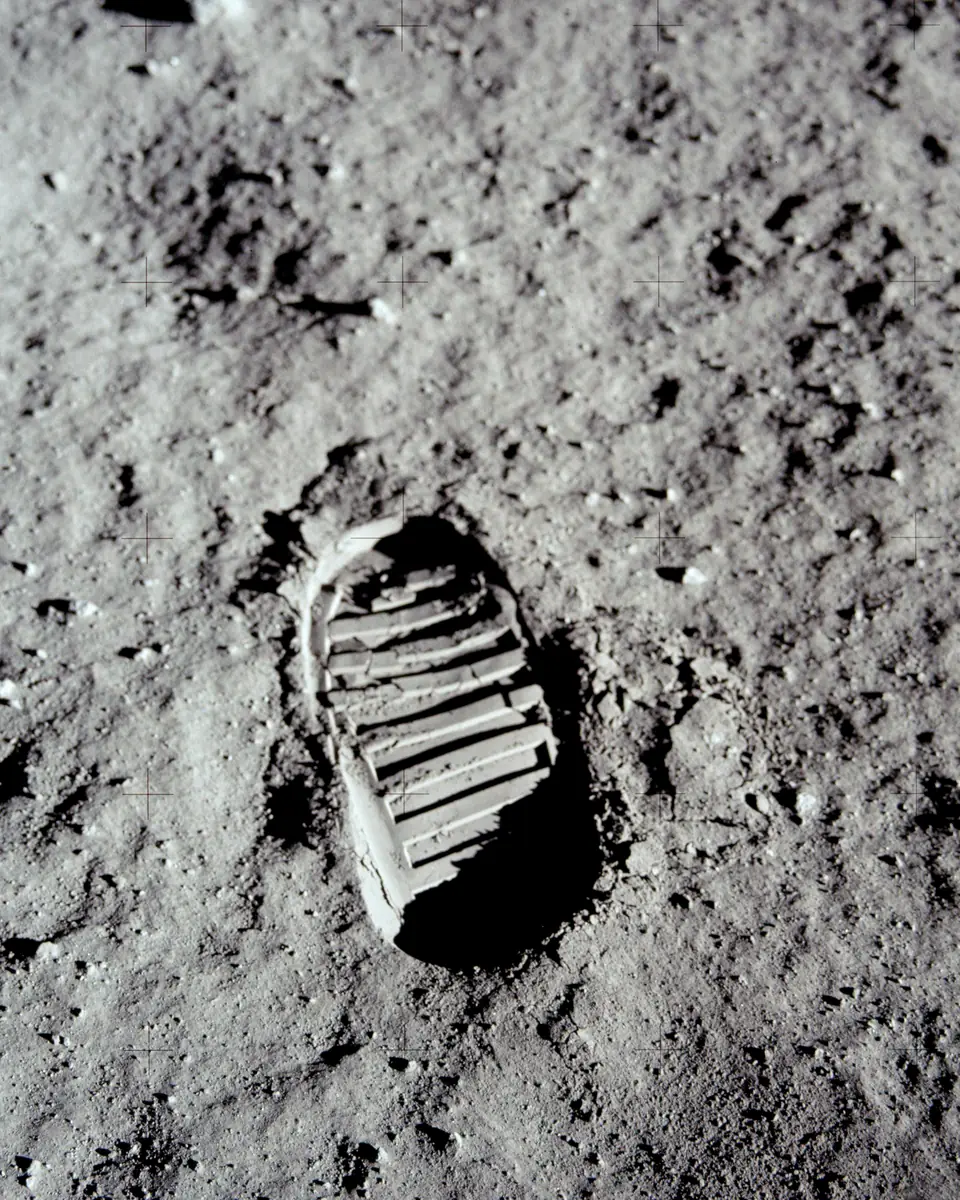
1969
Apollo 11. One bootprint in the lunar dust.
2026
122years
No verified human has lived beyond 122. This year we began the first serious attempt to move that line — and to give back a decade of healthy life on the way.
02The clock
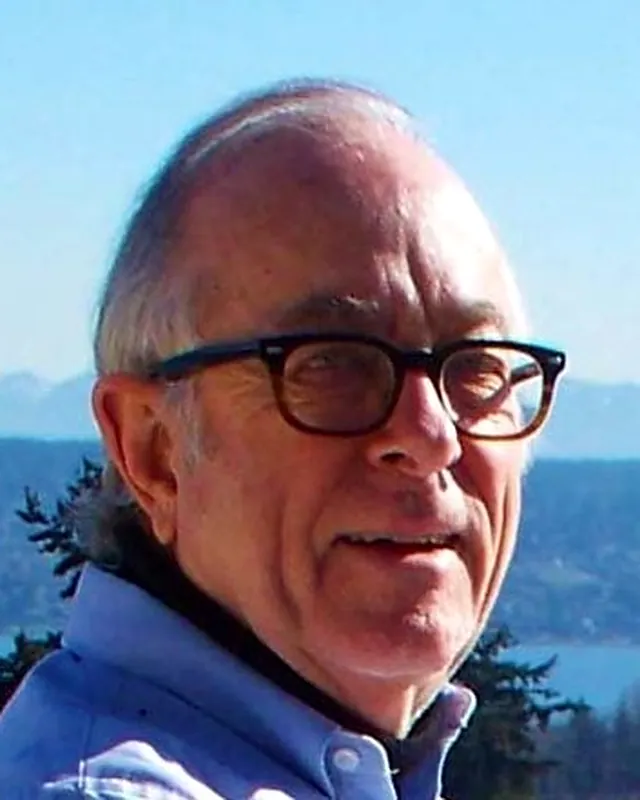
Billions of dollars flow into biotech startups, but most are decades away. I’m 91. I can’t wait that long, and my wife has dementia. I’d like to help her if I can.
John G. Cramer, PhDEmeritus Professor of Physics, University of Washington
03The wait
Most breakthroughs take 10 to 20 years to reach human trials. The leading longevity firms have postponed their full-body age-reversal trials by a decade or more, and the FDA still refuses to recognize aging as something to treat.
The conventional path
Human trials: 2036–204610–20 years to human trials
The Mitonauts
Human safety trials: April 2026Eight months
For those of us in our sixties, seventies and nineties, that is not a timeline. It is a write-off.
So we are going first.
04Who we are
A non-profit coalition of prominent senior citizens — scientists, physicians, CEOs and investors — testing new medical technology on themselves. The elderly have the most immediate needs, so we should be the ones pushing hardest.
Working with scientists and physicians from
05The science
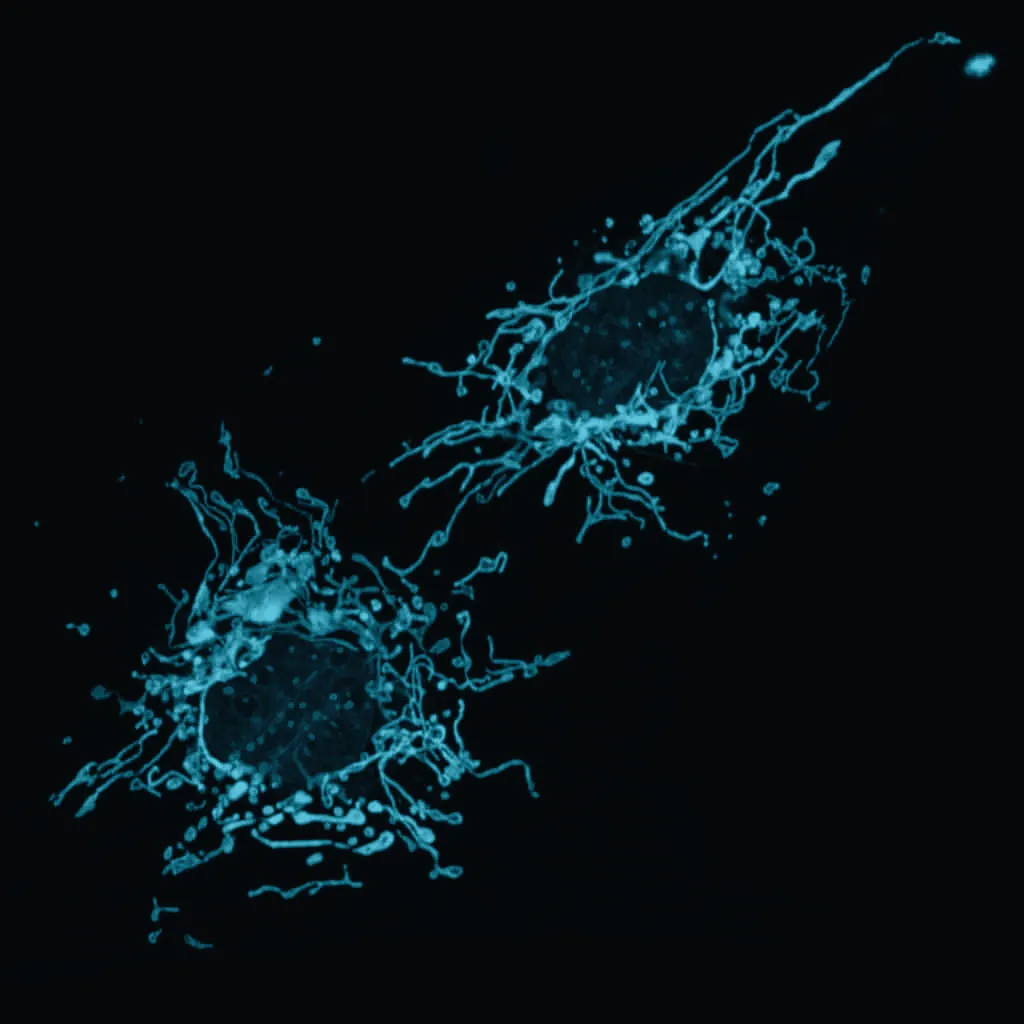
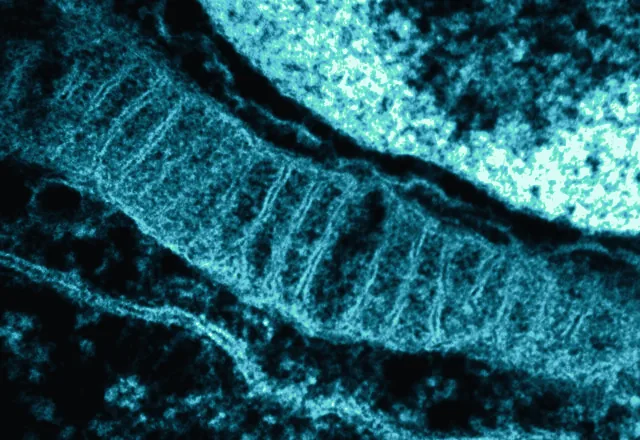
“I think the key is energy. Aging is the decline in the energy generated in our bodies.”
The platform
01
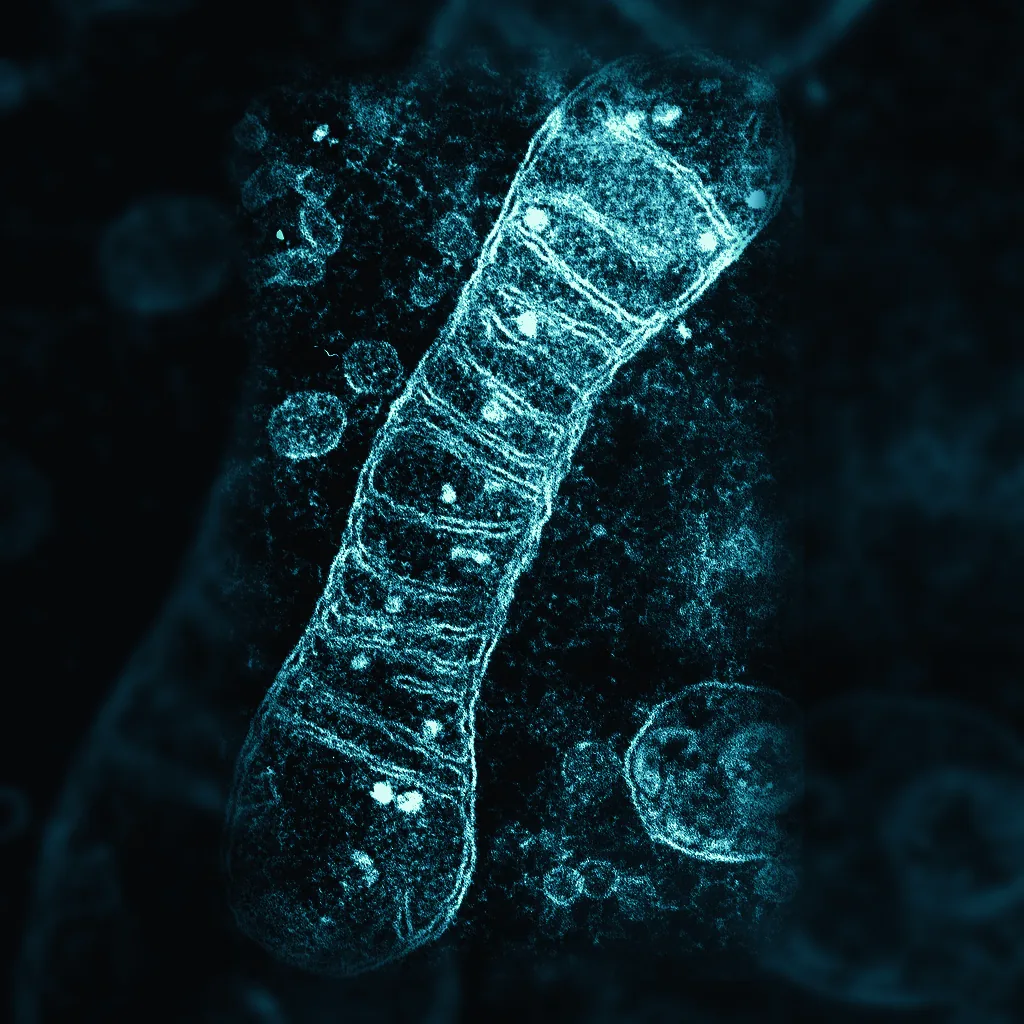
Mitochondria are grown from the patient’s own cells, so what goes back in is theirs.
02
A bioreactor produces young, age-reset mitochondria in the volumes a whole body needs — stem cells in a box.
03
Transfused back with exosome therapy, to restore cellular energetics and reverse decades of losses.
“If we can grow healthy mitochondria in external bioreactors and transplant them in large amounts, we will be doing something that nature and evolution have never done.”
The goal: industrial-scale production — enough to supplement every person over 55.
06One biology
The therapies needed to reverse aging are largely the same ones needed for chronic and disabling disease — which is why this reaches far beyond longevity.
Physicians at Northwell Health, New York’s largest health system, are testing mitochondrial transplant for cardiac arrest, stroke and wound healing.
Our trial data goes to the teams working on children’s diseases, chronic illness and neurodegeneration.
Address aging at scale and the savings to global health systems could be measured in trillions.
Covered in The Economist, Nature and Scientific American — and debated in the US Congress.
07The crew
Accomplished people who could simply have retired. Instead they volunteered to go first.
91Age
Physicist, novelist, volunteer
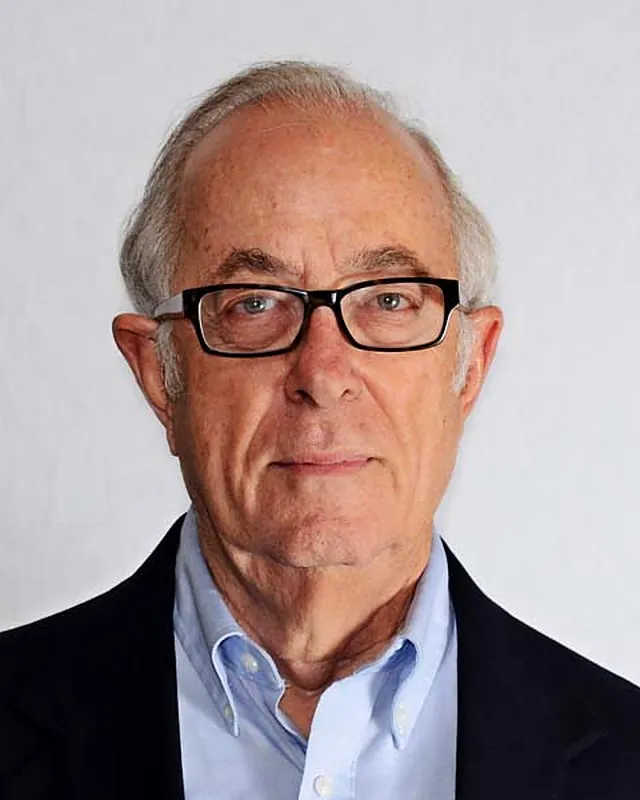
At 90 he announced the first attempt to break the human age barrier. Sixty years at the edge of physics, and he is not finished.
“At the age of 90 I’m the oldest person set to try this technology, so if this works, nobody will be able to catch up. I’ll always be the oldest young person in history.”
“I have a huge list of things I want to work on: new books, new experiments, maybe another PhD. I could use another 30 years.”
71Age
Attorney, futurist — patient zero
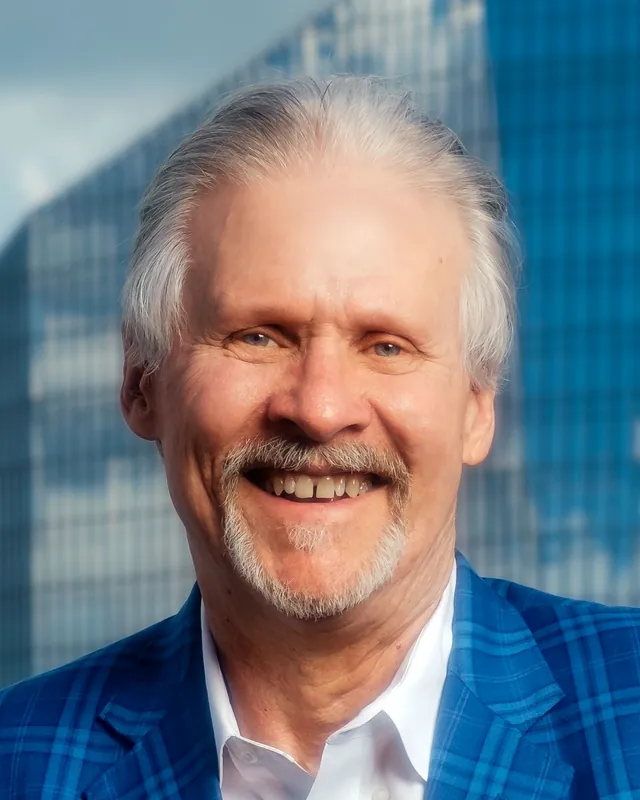
Author of Pardon the Disruption, and an advocate for new medical technology for decades. The first Mitonaut through early human trials.
“We are honored to serve as early test pilots for something that could eventually help vastly more people than ourselves.”
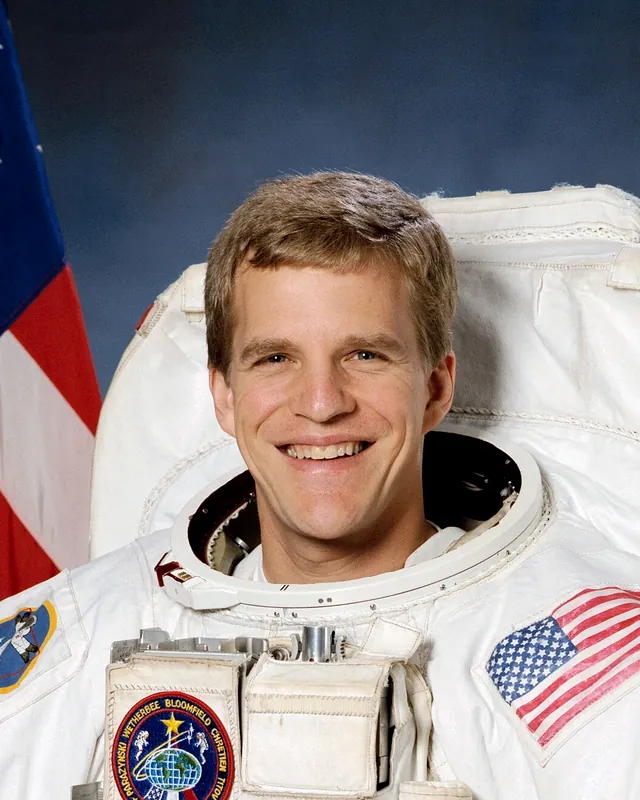
7Spacewalks
NASA astronaut, physician
Five Space Shuttle missions, seven spacewalks building the ISS, and the summit of Everest. Now a test pilot for the bioreactor.
“Of course, this is all on the edge of science, so there are no guarantees. But that’s what makes it so exciting.”
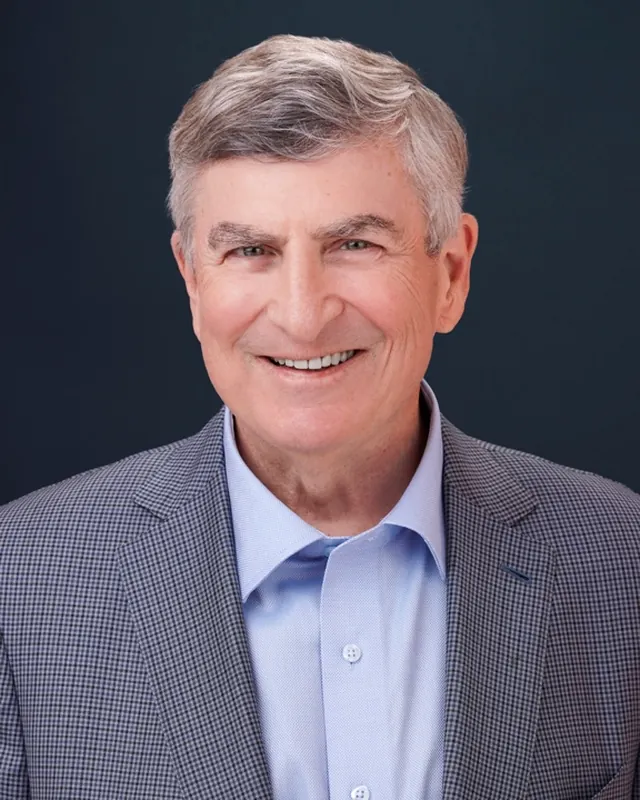
72Age
Venture capitalist, founder
Co-founder of Bullpen Capital. Founded Covad Communications, which reached a $9B market value.
“It’s a real thrill to be part of something so utterly new, so utterly surprising, so utterly fundamental.”
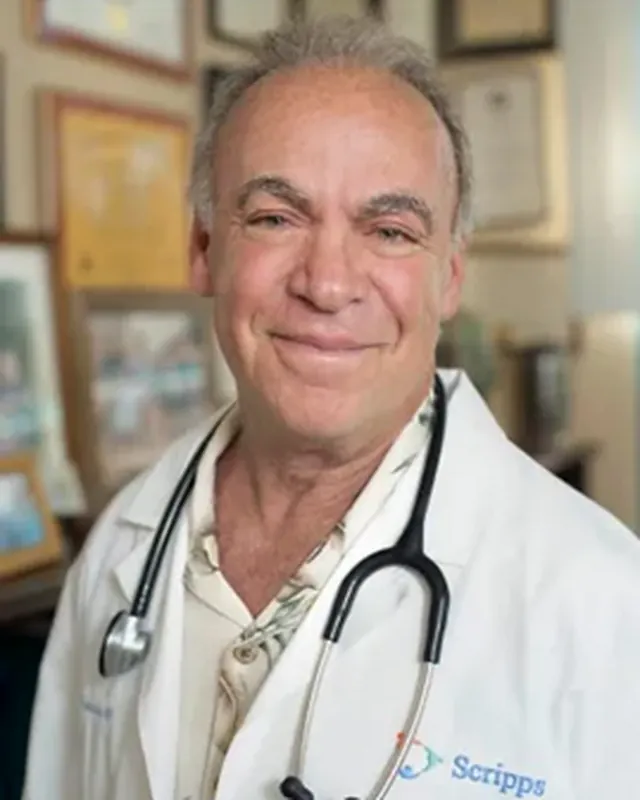
80Age
Physician, surfer
A pioneer of anti-aging medicine. Former Clinical Professor at UC San Diego; more than 45,000 physicians have attended his seminars.
“Mitochondrial transplantation is something I’d like to be able to prescribe to my older patients.”
08Mission log
From the first volunteer to the first human safety trials in eight months.
Preliminary safety work complete. Next cohort preparing.
Aug 2025
Ron Rothenberg, MD, 80, and venture capitalist Duncan Davidson, 72, volunteer to test bioreactor-grown mitochondria on themselves.
Nov 2025
John G. Cramer, 90, announces his attempt to break the human age barrier of 122.
Dec 2025
Physicians and scientists from Stanford, UCLA, Northwell Health and Mitrix Bio start work.
Apr 2026
Conducted at the Mitochondrial Transplantation Institute in Dallas, Texas, under Right to Try 2.0. The same month, five-time Space Shuttle astronaut Scott Parazynski, MD, becomes a test pilot for the bioreactor.
Jul 2026
Clay Rawlings, 71, is patient zero. Preliminary safety work is complete in two volunteers, aged 71 and 91.
Now
A dozen more members prepare to continue, under medical supervision.
Next
Epigenetic reprogramming, senescent-cell clearance and Klotho gene therapy join the program — and we take the case for patient choice to Washington.
09What we stand for
“We are the elders of this country, and we decline to be quietly retired from the project of medicine.”
01
Only people over sixty, or living with disability, serve as our executives. We work with excellent young scientists, but the decisions are made by those with the most at stake.
02
We accept personal medical risk to advance therapies that will help younger people too, including our children and grandchildren. We volunteer freely and happily.
03
Not only mice, not only biomarkers. Informed older adults testing round by round: do we feel meaningfully better? Do we function younger? If so we proceed. If not, we adjust.
04
Access requires a contribution — financial, scientific or organizational — made while it still carries real risk. Those who wait for others join the back of the queue.
05
The foundations of this work were laid in the United States and we would prefer to build it here. We will make the case to lawmakers for seniors controlling their own healthcare decisions.

10Join the mission
Back the mission, join the next cohort, or come and listen first. The work begins now, and we do not have time to wait for laggards.
Tell us which part you want in on, who you are, and how to reach you. A real person reads every message.